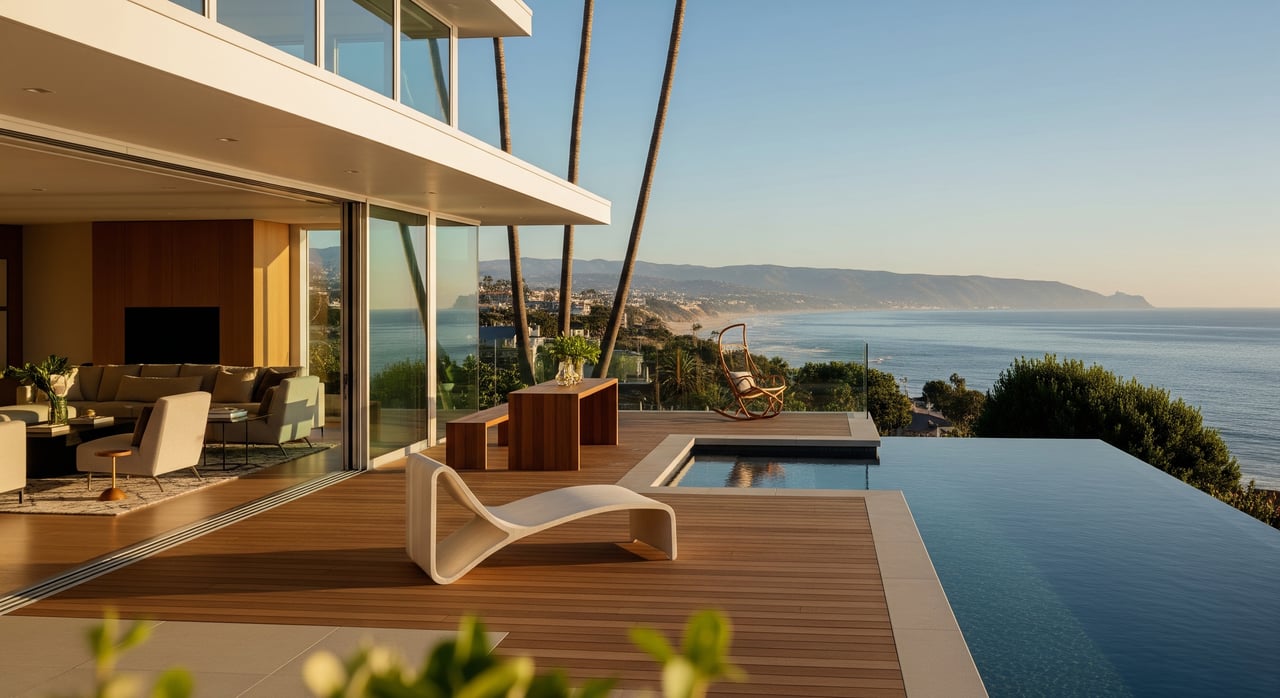
Imagine waking to the sound of waves, grabbing coffee on a tree‑lined avenue, then walking to a Pilates class before a quick drive to a tech meeting. That is a typical morning rhythm when you live luxuriously in Santa Monica. You get an urban lifestyle beside a broad public beach, with culture, shopping, and wellness all within reach. In this guide, you will see what daily life really feels like, which neighborhoods match different lifestyles, and the practical details that help you buy with confidence. Let’s dive in.
Santa Monica at a glance
Walkable coastal city
Santa Monica is a compact, walkable city that mixes a downtown core with a wide beach and the iconic Pier. Third Street Promenade and Santa Monica Place bring dense retail and dining next to Ocean Avenue and Palisades Park. You can reach major Westside job centers within roughly 6 to 10 miles, and LAX is about 8 to 10 miles depending on route. The city also anchors “Silicon Beach,” a hub for tech and creative firms.
Who calls it home
The city’s residents tend to be highly educated and relatively affluent compared with Los Angeles County overall. Many work in professional sectors like tech, media and entertainment, finance, healthcare, law, and related fields. The cost of living is high, and housing plays the biggest role in that total. In the luxury tier, prices reach into the multi‑million range for oceanfront condos, North of Montana homes, and new buildings with extensive amenities.
Luxury market fundamentals
Inventory in prime locations is limited compared with demand. That creates price premiums and frequent competition, especially for ocean‑view properties and highly walkable blocks. You will find a mix of product types, including full‑service oceanfront condos, remodeled single‑family homes on established streets, and boutique developments with security and wellness features. Development and major remodels often require detailed city review, and coastal projects can involve the California Coastal Commission, which can lengthen timelines.
A day in the life
Mornings that start outside
Morning life often begins outdoors. Residents run along the ocean, cycle The Strand, practice beach yoga, or head to a boutique fitness studio. Coffee and breakfast spots near Montana Avenue, Ocean Avenue, and downtown make walkable routines easy. Expect a marine layer during late spring and early summer mornings, known locally as “June Gloom,” which usually burns off later in the day.
Daytime convenience and short commutes
Everyday errands are straightforward in the core retail districts. Montana Avenue boutiques and Third Street Promenade serve both daily needs and luxury shopping. If you work nearby, commutes are often short, with many jobs in Santa Monica, Venice, Playa Vista, and Culver City. The Metro E Line connects to Downtown LA, and Big Blue Bus offers local service, though many luxury residents still prefer private cars or chauffeured options.
Afternoons designed for indoor‑outdoor living
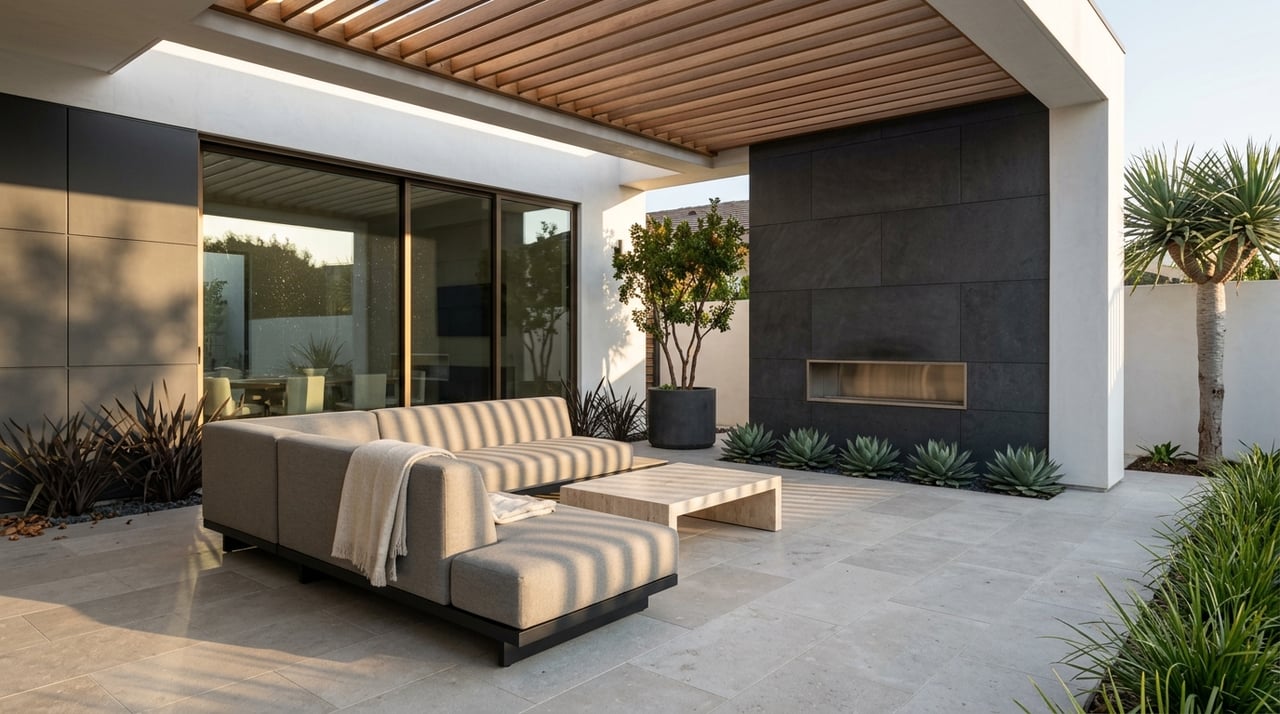
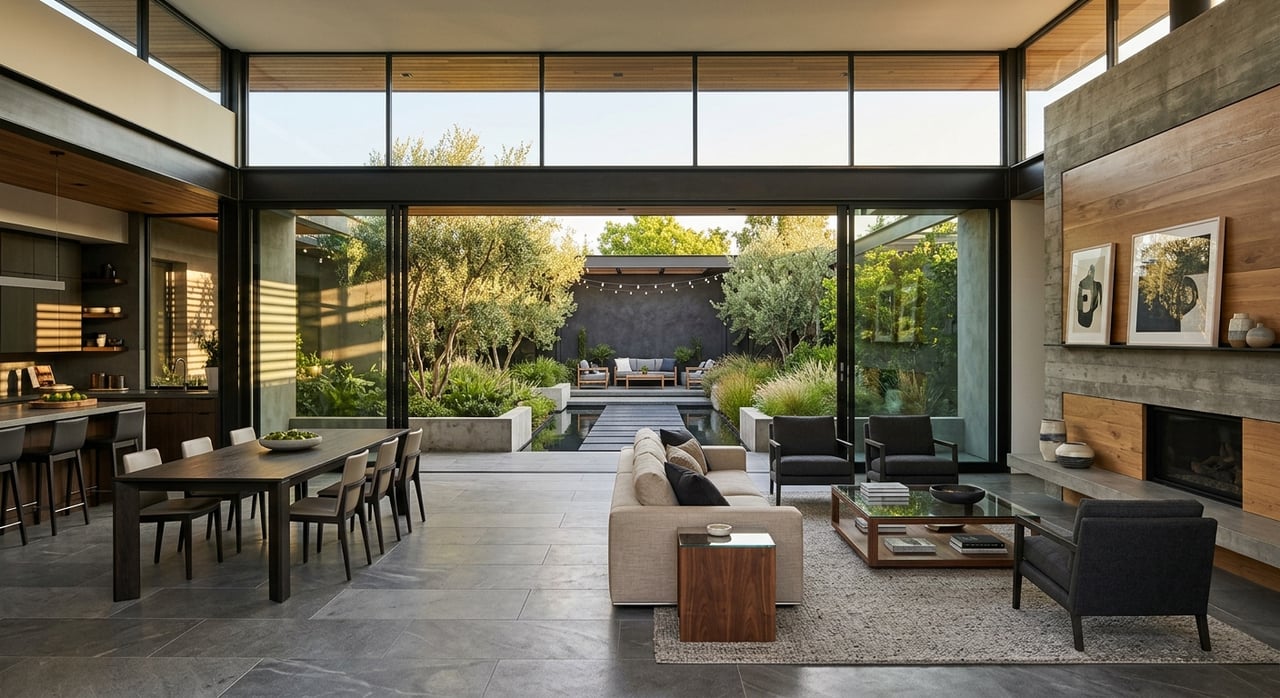
Luxury properties make outdoor space a priority. You see rooftop terraces, courtyards, and private patios used for casual lunches and sunset gatherings. Beach access is public and robust by law, so private beachfront living usually means enjoying building amenities rather than exclusive sand. Gated lobbies, concierge desks, and private pools deliver privacy in a setting that welcomes visitors from around the world.
Evenings with dining and culture
Evenings can be as low‑key or as curated as you like. You have chef‑driven dining, local favorites, and ocean‑view spots within a short walk or drive. Cultural choices range from galleries at Bergamot Station to performances at The Broad Stage and seasonal events at the Pier. Many residents mark the day’s end with a sunset stroll along Ocean Avenue or in Palisades Park.
Nightlife and privacy
Nightlife in Santa Monica is lively without feeling overwhelming. Think restaurants, lounges, and hotel bars rather than late‑night clubs. Luxury buildings often offer elevated privacy, with doormen, secure parking, and attentive management. That balance of activity and retreat is part of the city’s appeal.
Where lifestyle meets location
North of Montana
This area centers on the Montana Avenue corridor, known for upscale boutiques and a calm, residential feel. Streets are tree‑lined, and homes are largely single‑family with modest yards. The lifestyle is quiet and convenient, with daily needs close by. It suits buyers who want a residential setting with retail a short walk away.
Ocean Avenue and oceanfront
Oceanfront living puts you next to the beach and parks with sweeping views. Many buildings are high‑rise or mid‑rise condos with amenities like concierge service, fitness centers, and pools. HOA fees tend to be higher because of these services and shared spaces. Expect less private land and more shared amenities that frame the ocean as your daily backdrop.
Downtown core
Downtown brings the city’s densest shopping, dining, and cultural events. It is highly walkable and energetic, with more tourist activity and street life. You will find contemporary condos and access to theaters, galleries, and entertainment. This location suits you if you want everything at your doorstep and do not mind an active urban scene.
Ocean Park and Main Street
Ocean Park offers an eclectic, local vibe with older residences and a growing boutique and creative scene. Main Street provides access to casual cafes, shops, and neighborhood hangouts. The area places you close to Venice while maintaining Santa Monica’s services and amenities. It feels relaxed, personal, and connected to the coast.
How it compares nearby
Malibu
Choose Malibu if privacy and space top your list. You will find larger lots, lower density, and a more secluded estate lifestyle. Walkable retail is less frequent and more spread out. For Santa Monica, think the reverse: more walkability, culture, and services steps away, with smaller lots and a more urban rhythm.
Venice
Venice leans creative and eclectic, with a strong street scene and a blend of tech and arts culture. It offers a bolder, edgier vibe with more visible nightlife. Santa Monica feels more polished and amenity‑rich, with broader city services and cultural programming. If you want a refined urban beach environment, Santa Monica fits well.
Manhattan Beach and Hermosa Beach
These South Bay neighbors have a small‑town coastal feel and a strong beach‑sports culture. Property types and streetscapes skew more suburban. Santa Monica, by contrast, is a denser, mixed‑use city with a larger cultural footprint. If you want a city’s range of dining, retail, and arts beside the sand, Santa Monica delivers that combination.
Practical realities to plan for
Remodeling and permits
- Expect layered reviews for significant projects, especially near the shoreline where coastal rules can apply.
- Build realistic timelines and budgets that account for city design reviews and permitting.
- Plan for construction noise restrictions and potential coastal conditions like erosion and setback limits.
Cost of ownership
- California has high overall costs, and property values in Santa Monica reflect that reality.
- Property taxes for new purchases are based on the current market value, while Prop 13 affects assessed values over time.
- Budget for coastal insurance concerns, including earthquake, wind, and flood coverage as applicable.
Transportation and access
- The Metro E Line connects Santa Monica with Culver City and Downtown LA for reliable rail access.
- Big Blue Bus service is extensive within the city for local trips.
- Driving on the I‑10 and key corridors can be congested, especially during peak commute and tourist periods.
- LAX is the closest major airport, with travel times influenced by Westside traffic.
Services, healthcare, and education
- You have access to significant healthcare providers and clinics, including UCLA Health facilities in and around Santa Monica.
- The Santa Monica–Malibu Unified School District serves the city, and private school options are available.
- School performance and availability vary by neighborhood and grade level, so verify current information during your search.
Tourism, homelessness, and safety
- Tourist activity is concentrated near the Pier and Third Street Promenade, which can mean more noise, parking pressure, and foot traffic nearby.
- Homelessness is visible and is a longstanding civic focus. The city uses a mix of outreach, supportive housing programs, and enforcement.
- In tourist areas, property crime and petty theft can be higher, so many luxury buyers favor buildings with security and on‑site management.
Condo amenities and HOA expectations
Luxury condos often mirror high‑end hospitality. Typical features include concierge and doorman service, secure parking, fitness and wellness spaces, and, in some buildings, pools and roof decks. HOA fees are commonly higher in these full‑service buildings because staffing and amenities add operating costs. Review amenity lists, budgets, and rules closely so the services match how you actually live day to day.
Is Santa Monica right for you?
Consider Santa Monica if you value the following:
- Walkable retail and dining paired with immediate beach access.
- Chef‑driven restaurants, galleries, performances, and seasonal events.
- Privacy through building services rather than gates and acreage.
- Ocean views, outdoor living spaces, and year‑round wellness routines.
- Acceptance of premium pricing, higher HOA fees in amenity‑rich buildings, and a competitive market.
- Trip planning that includes peak‑season traffic and proximity to LAX.
- A realistic approach to permitting and timelines for remodels or new construction.
When you line up your lifestyle priorities with the right neighborhood and building type, Santa Monica delivers a rare mix of ocean, culture, and convenience. If you want guidance on off‑market opportunities, building amenities, or feasibility for a remodel or development plan, connect with Edward Ehsan for a discreet, founder‑led advisory.
FAQs
How does luxury living in Santa Monica compare with Malibu for privacy and space?
- Malibu offers larger lots and more seclusion, while Santa Monica trades lot size for walkability, culture, and services close to the beach.
What should a Santa Monica luxury condo buyer expect from HOA fees and amenities?
- Fees are often higher in full‑service buildings, typically covering concierge or doorman staffing, secure parking, fitness or wellness spaces, and shared areas like pools or lounges.
Is the Metro E Line practical for commuting from Santa Monica to Downtown LA?
- Yes, the E Line provides rail access to Downtown LA and can be a reliable alternative to driving during peak traffic.
What are key permitting considerations for remodeling a home near the Santa Monica coast?
- Coastal proximity can trigger additional reviews and conditions, so plan for longer timelines, design oversight, and potential setback or erosion considerations.
How visible is homelessness in Santa Monica, and how might it affect daily life near tourist zones?
- Homelessness is visible, particularly near the Pier and Promenade; buyers often assess block‑by‑block conditions and may prioritize buildings with security and on‑site management.
Are schools and healthcare services convenient for luxury residents in Santa Monica?
- Yes, the city includes major healthcare providers, and public and private schools are available, though you should confirm current options and performance for your specific address.
How does traffic and airport access influence daily life for Santa Monica residents?
- Expect congestion on the I‑10 and surface streets during peak periods; LAX is relatively close, but travel times vary with Westside traffic.