If you are shopping for a luxury home in Beverly Hills, style is not just about looks. In 90210, architecture often shapes how a property feels, how it fits its lot, and how buyers respond to it over time. When you understand the styles that define Beverly Hills luxury homes, you can evaluate properties with more clarity and confidence. Let’s dive in.
Why architecture matters in Beverly Hills
Beverly Hills has long treated architecture as part of its identity, not just a backdrop for real estate. According to the City of Beverly Hills history, the city developed with a strong emphasis on residential design, and its guidance is intended to enhance neighborhood character and protect property values.
That matters whether you are buying or selling. In this market, a home’s value is often tied to more than location and square footage. Buyers also look at architectural integrity, material quality, and how well a home relates to its site.
Spanish Colonial defines classic Beverly Hills
One of the most recognizable Beverly Hills styles is Spanish Colonial Revival, sometimes described alongside Spanish Mission or Mediterranean influences. Local preservation materials connect this style with stucco walls, clay tile roofs, arches, wrought iron, recessed openings, courtyards, and outdoor living spaces that suit the Southern California climate well.
This style became especially prominent in the 1920s and 1930s, helping define Beverly Hills as a refined and image-conscious suburb. As noted in a local city landmark report, these homes often combine architectural warmth with a strong indoor-outdoor relationship.
What buyers notice in Spanish Colonial homes
When you walk a strong Spanish Colonial property, the appeal is usually immediate. You may notice textured stucco, curved archways, iron details, shaded terraces, and a courtyard plan that creates privacy and flow.
Luxury in this style often comes from composition rather than sheer scale. A well-preserved roofline, original openings, and thoughtful landscape can make the home feel timeless.
Period Revival homes bring formality and craftsmanship
Beverly Hills also has a deep tradition of Period Revival architecture. The city’s residential style guidance includes Tudor, English Cottage, French Normandy, and Colonial Revival among the prominent traditional styles found across the city.
For many buyers, these homes represent a different expression of luxury. Instead of openness and minimalism, the emphasis is often on craftsmanship, symmetry, enclosure, and rich material detail.
Tudor and English Cottage character
The city describes Tudor as one of Beverly Hills’ more prevalent traditional styles. These homes often feature steep rooflines, prominent gables, wood and stone detailing, and a strong sense of structure.
English Cottage homes share some of that charm, with human-scale proportions and a more picturesque look. If you are drawn to homes that feel intimate, layered, and architectural in a classic sense, this family of styles may stand out.
French Normandy and Colonial symmetry
French Normandy homes often use high-pitched gables, asymmetrical massing, and rounded or distinctive entry treatments. They can feel romantic and sculptural without becoming overly ornate.
Colonial Revival homes, including Neo-Classical, Georgian, and Federal influences, tend to emphasize symmetry, columns, pediments, and formal entry details. In Beverly Hills, these homes often appeal to buyers who value order, proportion, and a more traditional estate presence.
Mid-Century Modern changed luxury design
After World War II, Beverly Hills expanded its architectural language. The housing stock increasingly included contemporary luxury and Mid-Century Modern design, and the city became strongly linked with Hollywood Regency by the mid-to-late 1930s.
This shift brought a cleaner and more open vision of luxury. Instead of heavy ornament, the focus moved toward line, light, openness, and the connection between the home and its setting.
The Mid-Century visual language
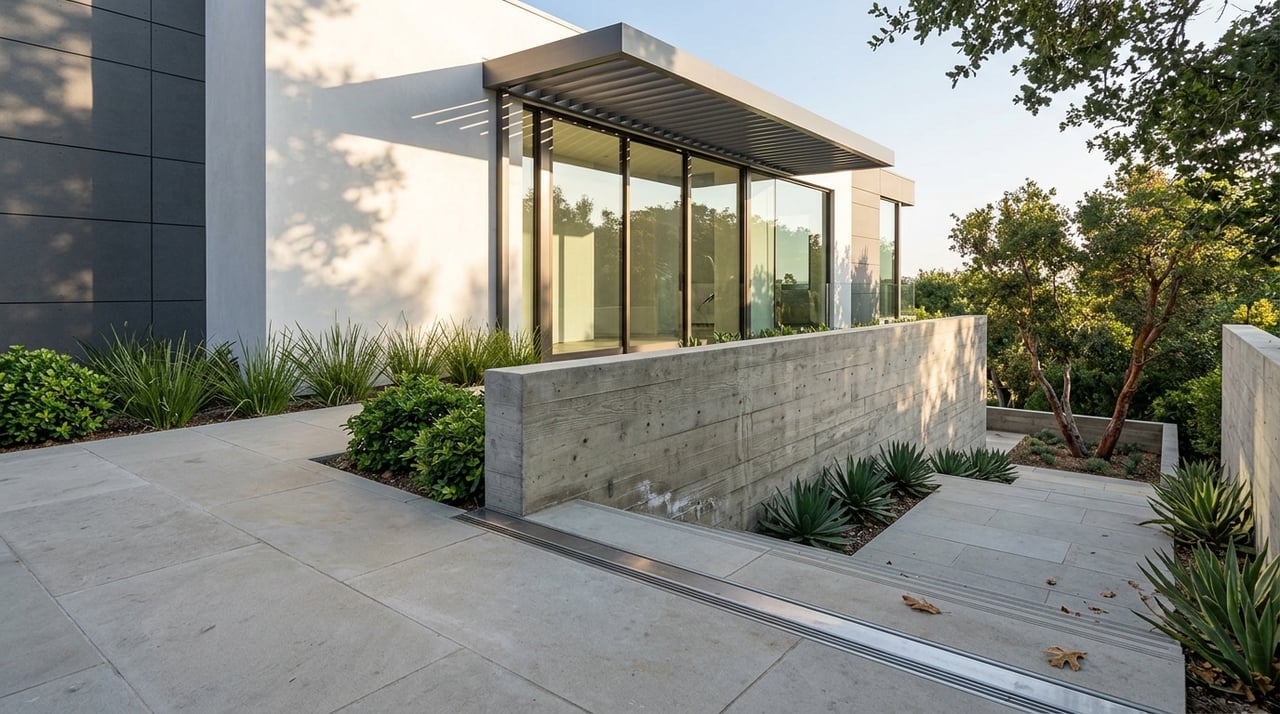
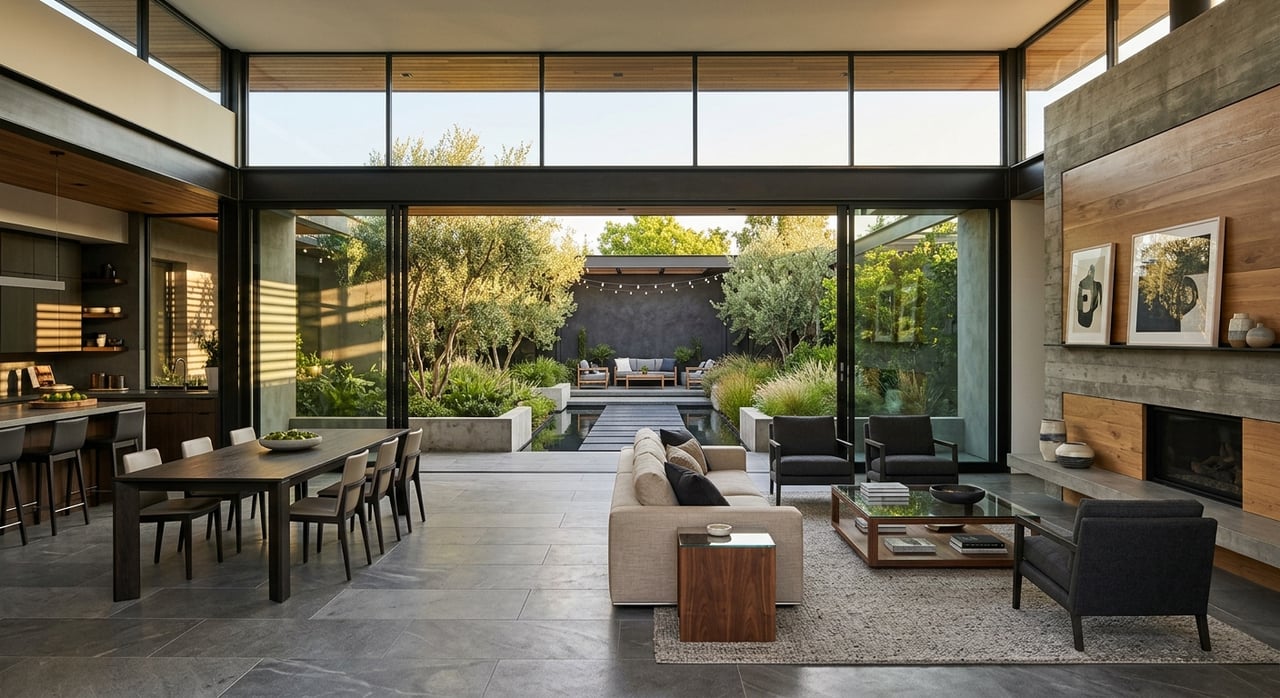
The city’s architectural materials describe Moderne and International Style homes as flat-roofed, minimally ornamented, and often open-plan. They commonly feature concrete, steel, glass, ribbon windows, and a strong indoor-outdoor relationship, as outlined in the city’s residential design catalog.
For you as a buyer, the visual cues are usually easy to spot. Look for strong horizontal lines, large glass openings, simple massing, and a layout that feels driven by architecture rather than decoration.
Trousdale and architecture-driven living
Beverly Hills later became especially known for custom Mid-Century Modern homes in Trousdale Estates. This legacy helps explain why modernist homes remain so influential in the local luxury market.
These properties often feel highly considered from the street to the rear yard. The architecture tends to frame views, shape privacy, and create a direct relationship with the lot and landscape.
Hollywood Regency blends glamour and restraint
Hollywood Regency deserves its own mention because it is closely tied to Beverly Hills identity. Local landmark reporting describes it as a blend of Moderne sleekness and classical elegance, which helps explain its lasting appeal in a city long associated with film, design, and sophisticated entertaining.
For you, that can translate into homes that feel polished rather than flashy. You may see clean lines paired with elegant proportions, formal gestures, and a high level of finish.
Contemporary estates focus on proportion and light
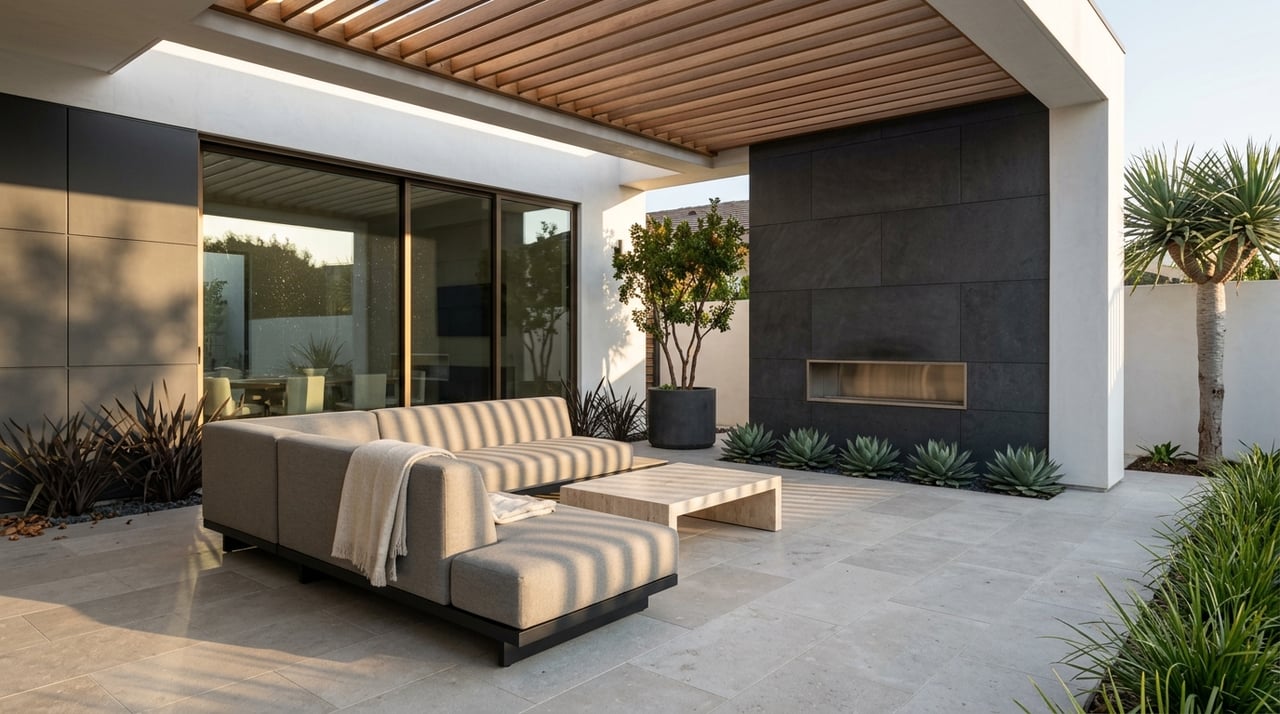
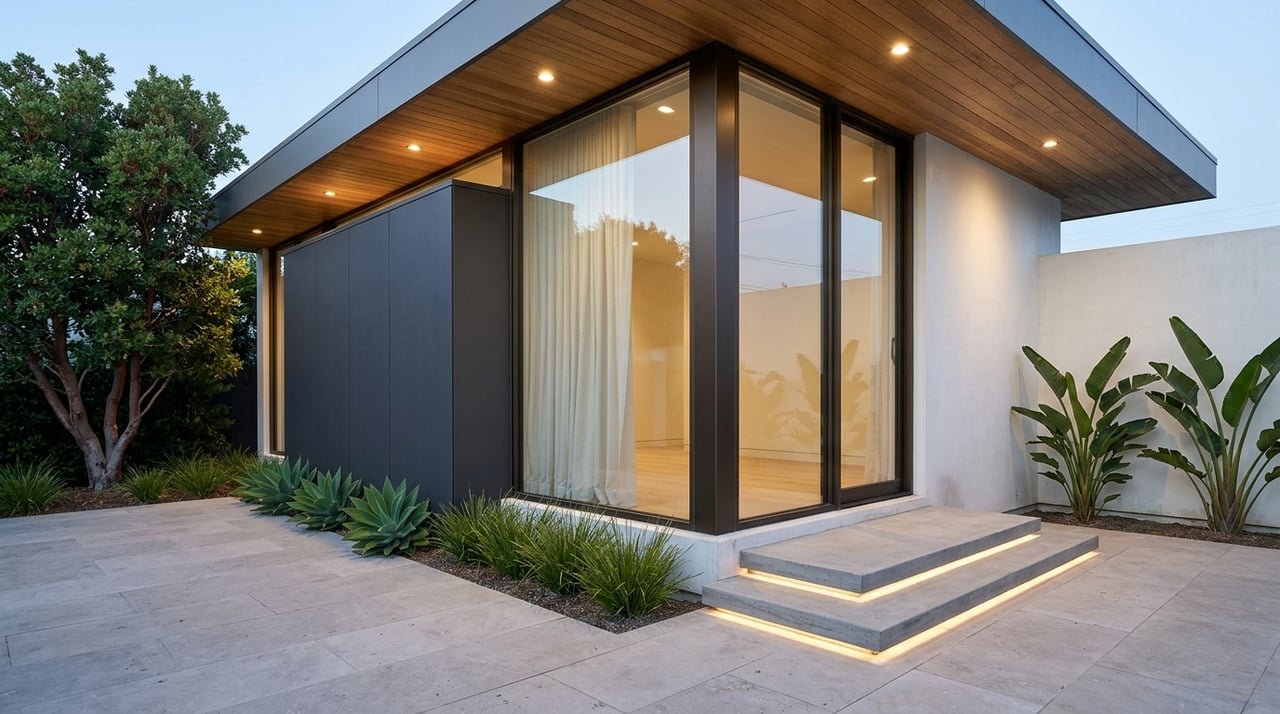
Today’s Beverly Hills luxury market also includes a broad range of contemporary estates. These homes are often judged less by decorative detail and more by geometry, proportion, material quality, and the way they use natural light.
The city’s guidance allows additional styles when they remain faithful to clear architectural definitions. That reinforces an important point for both buyers and sellers: in Beverly Hills, authenticity and coherence matter as much as trend appeal.
What makes a contemporary home feel luxurious
A strong contemporary home usually reads as intentional at every level. The massing should feel balanced, the materials should feel substantial, and the openness should be supported by privacy, scale, and good siting.
In practice, that means quality often shows up in quieter ways. The best homes tend to rely on refined geometry, excellent light, and disciplined material choices rather than excessive detail.
The lot shapes the architecture
In Beverly Hills, architecture is never just the house itself. The city’s design guidance repeatedly connects style to lot width, frontage, roof massing, setback, and the relationship between the building envelope and the parcel.
That is useful when you are comparing homes that may look similar online. A house can feel elegant and balanced on one lot, but too bulky or visually compressed on another.
What to study beyond the facade
When touring a property, pay attention to how the home sits on the site. Ask yourself whether the facade width feels proportional, whether the roofline is well-composed, and whether the setbacks allow the architecture to breathe.
This is one reason highly design-savvy buyers look past finishes. The site plan, the massing, and the way the home meets the landscape often shape long-term appeal.
Landscaping is part of the luxury experience
Beverly Hills places real importance on landscape design. The city’s guidance says strong residential design should preserve open space, use compatible plant materials, and support the city’s garden-like quality.
That means landscaping is not a finishing touch. In many Beverly Hills homes, it is part of the architecture itself, helping frame entries, soften facades, define outdoor rooms, and strengthen privacy.
Materials and craftsmanship still matter
Luxury in Beverly Hills is often communicated through materials as much as square footage. The city’s style catalog repeatedly emphasizes quality materials such as stucco, tile, wood, stone, and wrought iron.
The city’s official history of Greystone points to details like hand-carved oak, limestone cladding, and a slate roof as markers of exceptional craftsmanship. For you as a buyer or seller, that is a reminder that architectural value often lives in the details people see up close.
Why preservation and integrity affect value
Beverly Hills treats architectural integrity as a meaningful signal of value. Local criteria for historic significance consider whether a property embodies a style, retains integrity from its period of significance, or represents the work of a notable architect, as explained in the Greystone landmark report.
That does not mean every older luxury home is landmarked. It does mean original windows, roof forms, courtyard layouts, and preserved details can carry real weight in how a property is perceived.
Master architects add another layer
Beverly Hills also maintains a list of local master architects, including Wallace Neff, Gordon Kaufmann, Paul R. Williams, Richard Neutra, John Lautner, Craig Ellwood, and Frank Gehry. A home associated with one of these architects may have added design significance and may also face additional review if visible changes are proposed.
If you come across a property referenced in a survey, it is important to understand what that means. The city explains that its historic resource surveys are informational and evaluative, not the same as formal landmark designation.
A practical checklist for buyers
If you want to assess architectural quality in Beverly Hills with a sharper eye, keep your checklist simple. The most telling elements are often the ones that support authenticity and proportion.
Look for:
- Original or coherent massing
- A roofline that fits the style
- Window proportions that feel consistent
- Quality door, ironwork, and trim details
- Courtyards, terraces, or outdoor rooms that feel integrated
- Mature landscape that supports the architecture
- A clear relationship between the house and the site
The city’s CEQA-related historic resources materials reinforce many of these cues as useful ways to read a home’s architectural character and integrity. In a market like Beverly Hills, those details often separate a merely expensive property from one that feels truly memorable.
What this means for buyers and sellers
If you are buying in Beverly Hills, understanding style helps you judge more than surface beauty. It gives you a better way to compare homes, spot authenticity, and recognize when craftsmanship and siting justify premium value.
If you are selling, architectural clarity can shape how your property is positioned and marketed. When a home’s style, integrity, materials, and landscape are presented thoughtfully, buyers are more likely to understand what makes it special.
For tailored guidance on evaluating or positioning a Beverly Hills luxury property, you can connect with Edward Ehsan, whose boutique, founder-led approach combines local market insight with a strong understanding of design, development, and high-value residential real estate.
FAQs
What architectural styles are most common in Beverly Hills luxury homes?
- Beverly Hills is especially known for Spanish Colonial Revival, Tudor, English Cottage, French Normandy, Colonial Revival, Mid-Century Modern, Hollywood Regency, and Contemporary estate design.
Why does architectural style matter when buying a Beverly Hills home?
- Architectural style can affect how a home fits its lot, how authentic it feels, how buyers perceive value, and how well original design features have been preserved.
What features define Spanish Colonial homes in Beverly Hills?
- Common features include stucco walls, clay tile roofs, arches, wrought iron, recessed openings, courtyards, and outdoor living areas suited to the Southern California climate.
How can you identify a Mid-Century Modern Beverly Hills home?
- Look for flat or low rooflines, minimal ornament, strong horizontal lines, expansive glass, simple massing, and a close connection between indoor and outdoor spaces.
What should sellers highlight about a Beverly Hills home’s architecture?
- Sellers should emphasize architectural integrity, quality materials, thoughtful siting, landscape design, and preserved details that support the home’s original style.
What does a Beverly Hills historic resource survey mean for a property?
- A historic resource survey is an informational and evaluative tool, and it is not the same as formal landmark designation by the city.