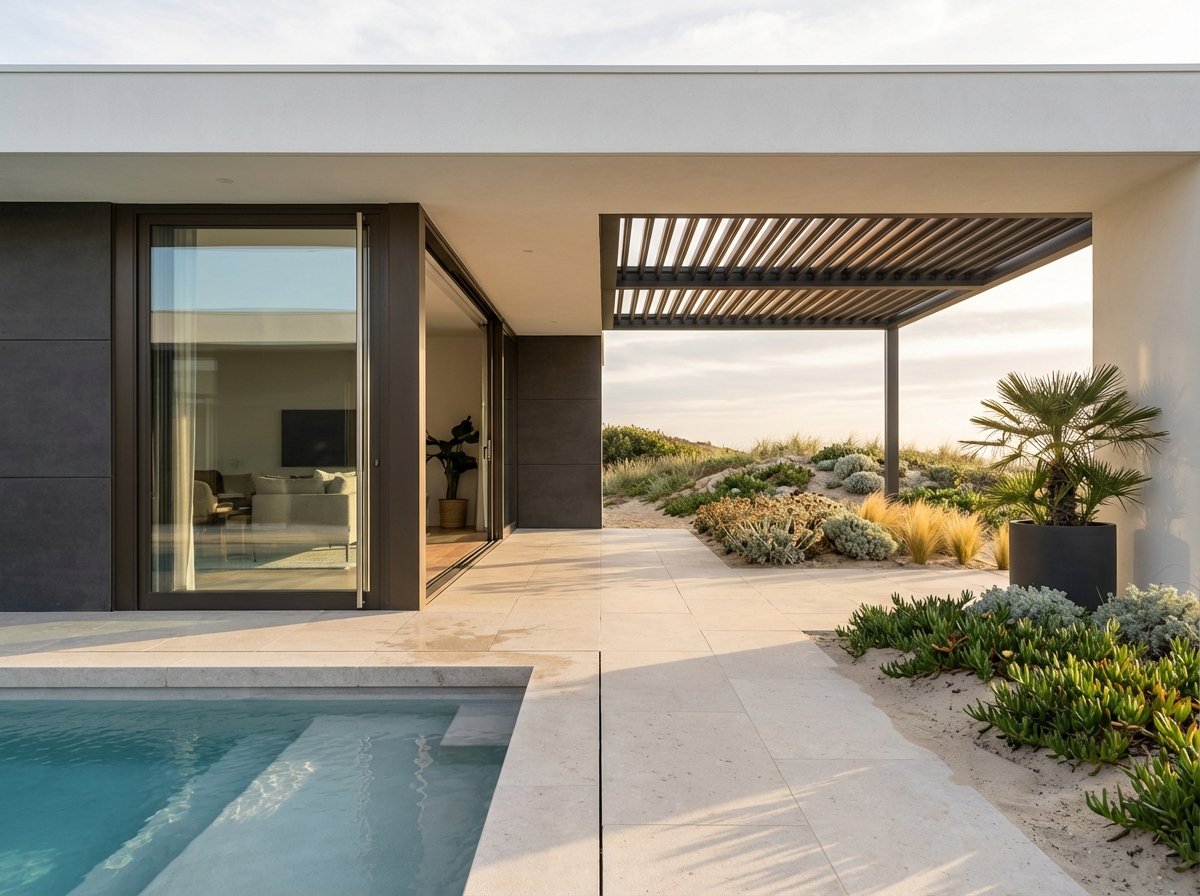
You are not choosing just a beach in Malibu. You are choosing a daily rhythm: how you get to the sand, where you swim or surf, how you host guests, and how private your shoreline feels. If you are weighing Zuma, Point Dume, El Matador, Surfrider, or Carbon and Broad Beach, the differences are real and repeatable. This guide breaks down what each stretch offers and the tradeoffs that shape your life here. Let’s dive in.
Malibu coastline basics
Malibu’s shoreline runs along Pacific Coast Highway with a mix of city beaches, county lots, and state parks. Public access is guided by recorded easements and accessways overseen by the California Coastal Commission. You can review formal access points in the Commission’s official public access guide.
Most places fit one of three “beach types” that predict daily life:
- Wide, managed sandy beaches with big parking lots and lifeguards, like Zuma and Westward.
- Small, scenic coves with stair or trail access, like Point Dume and El Matador.
- Trophy home frontages with immediate sand access and limited public parking, like Carbon and Broad Beach.
Zuma and Westward
Character
Zuma and neighboring Westward are broad, open beaches with county-managed parking, frequent lifeguards, and room for full-day outings. Seasonal food stands and beach courts add a classic, easygoing feel. Westward has earned a Blue Flag award, which signals high standards for safety and environmental management, reinforcing its well-run public-beach character.
Daily routine
You can plan spontaneous beach days because parking is straightforward in the large county lots. Swimming, sunbathing, and beginner to intermediate surfing are popular. The scale makes hosting simple since guests can usually find parking without complex instructions. For current beach and parking details, check the county’s beaches and harbors information.
Tradeoffs
Waves and rip currents can be strong depending on conditions, so you plan swims around lifeguard zones. Weekend traffic on PCH can still slow your approach. On balance, this is the most practical choice for frequent, low-stress beach time.
Point Dume and Little Dume
Character
This headland is all about views, bluff walks, and dramatic sunsets. Homes often sit above the beach, and small coves are accessed by stairways or steep paths. Parking is limited at trailheads, so arrival timing matters. Learn more about the preserve and access at the Point Dume State Beach page.
Daily routine
You trade easy sand access for scenery and privacy. Expect stair descents to reach the water and plan outings around low tide if you want tidepooling. Morning walks on the bluff trails are a daily highlight.
Tradeoffs
Hosting casual beach days is less convenient due to parking and stairs. If effortless sand time for small children is a top goal, you may prefer broad sandy beaches instead.
El Matador and RH Meyer
Character
El Matador and the Robert H. Meyer Memorial State Beach coves are famous for sea stacks, arches, and photo-worthy rock formations. Access is via trails and stairs down cliffs to small sandy pockets. Environmental documents describe the pocket-beach nature of this area, which helps set expectations for access and scale. See the state’s CEQA filing for context on Robert H. Meyer State Beach.
Daily routine
Trips here take planning. You carry in supplies, and lots are small, so early arrival is smart. It is perfect for quiet exploration, short hikes, and sunsets rather than big family sports on the sand.
Tradeoffs
Small beach area and stairs limit spontaneity and hosting. On busy weekends, lot capacity and photo-shoot traffic can add congestion.
Malibu Lagoon and Surfrider
Character
This is Malibu’s surf and town core. Surfrider is a classic longboard point break with a deep history tied to surf culture and coastal conservation. The nearby pier and nature area create a walkable hub with restaurants and open space. Get an overview of Surfrider and its amenities on the State Parks page.
Daily routine
If surfing is central to your life, this is where morning and sunset sessions often happen. Between the pier cafés and nature paths around the lagoon, errands and leisure can feel more walkable than at the remote coves.
Tradeoffs
Surf lineups can be crowded on good days, and parking ebbs and flows with conditions and events. Expect to be strategic about timing surf and dining plans.
Carbon, Colony, Broad Beach
Character
These central-to-eastern stretches are known for high-value oceanfront homes that open directly to the sand in many cases. The feel is residential and private. Public access points exist, and the wet sand up to the mean high tide line remains public trust land. For official context on access and improvements at Broad Beach, review the Coastal Commission’s Broad Beach access document.
Daily routine
Life is about immediate ocean views and private yards that meet the beach. Guests often need clear directions for parking along PCH’s narrow shoulders. Owners manage privacy with careful fencing and awareness of public easements at the wet-sand line.
Tradeoffs
Shoreline protection and erosion are active topics here. Expect permit histories, armoring or nourishment questions, and higher ongoing maintenance to be part of due diligence.
Paradise Cove and Escondido
Character
Paradise Cove combines a beachfront café, day-use beach operations, rentals, and steady visitor traffic. Nearby coves like Escondido are smaller and step-accessed. The café is a neighborhood anchor that shapes the area’s social feel. Explore current offerings at the Paradise Cove Beach Café site.
Daily routine
You get a lively, hospitality-driven scene and easy food service on the sand. Paid parking and visitor flow are part of the experience, especially on weekends and holidays.
Tradeoffs
If you want quiet and space, the energy here may feel crowded. If you like a vacation vibe at your doorstep, it is a clear fit.
What beach type means daily life
Access and hosting
- Big county lots at wide sandy beaches make last-minute beach days and larger gatherings simpler. Slim stair access and limited lots at coves require planning. The Coastal Commission’s public access guide is useful for identifying formal accessways, while the county’s beach pages describe parking and lifeguard coverage.
Recreation fit
- Surfers gravitate toward the Malibu Lagoon and Surfrider area for consistent, longboard-friendly days. Families who prioritize swimming and beach games often prefer the roomy sands and lifeguards at Zuma and Westward.
Privacy realities
- Immediate sand access feels exclusive, but in California the wet-sand area up to the mean high tide line remains public trust land. Expect occasional passersby at the waterline even in front of private residences.
Permits, seawalls, and long-term planning
- Oceanfront buyers should review coastal development permits and any revetment or seawall authorizations, as well as conditions related to sea-level rise. State guidance encourages planning for higher tides and erosion over the coming decades. Read the California sea-level rise guidance to understand how this shapes siting and insurance.
- Malibu lots often rely on onsite wastewater treatment systems. The City’s OWTS rules and leach field locations can affect renovation feasibility. See the City’s OWTS manual for technical context to discuss with your advisors.
PCH reliability
- Pacific Coast Highway is the main artery in and out. Storms, fires, or mudslides can cause temporary closures that affect commutes and deliveries. Recent reporting has highlighted closures and impacts on shoreline businesses, including well-known restaurants. See context in this news coverage of closures.
Amenities and errands
- Central Malibu offers the most convenient cluster of shops and dining for daily needs. If walkable errands are important, proximity to the pier area and the Country Mart helps. Explore the Malibu Country Mart to get a sense of everyday offerings.
Quick match guide
- Surfer-first lifestyle: Malibu Lagoon and Surfrider for classic point-break sessions and a walkable hub.
- Family-friendly sands: Zuma and Westward for broad beaches, lifeguards, and easy parking.
- Scenic and quiet: Point Dume and El Matador for bluff walks, coves, and tidepools, with stair access and smaller lots.
- Ultra-private oceanfront: Carbon and Broad Beach for immediate sand access, with permit and shoreline management considerations in due diligence.
- Social and hospitality: Paradise Cove for beachside dining and a lively day-use scene.
Finding your fit in Malibu is about rhythm, not just views. Decide if your ideal day starts with a longboard at Surfrider, a family swim at Zuma, a tidepool walk below Point Dume, or coffee on your own oceanfront deck at Broad Beach. When you are ready to align location, lifestyle, and due diligence, schedule a private consultation with Edward Ehsan to map the options with discretion and clarity.
FAQs
What should Malibu oceanfront buyers know about public beach access?
- In California, the wet-sand area up to the mean high tide line is public trust land, and recorded accessways provide routes to the beach. Expect occasional passersby at the waterline even in front of private homes.
How does living near Zuma compare to Surfrider for daily routines?
- Zuma offers broad sands, big parking lots, and frequent lifeguards for easy family days, while Surfrider centers on surfing and a more walkable town-core experience around the pier and lagoon.
What permits or coastal issues come up for Carbon and Broad Beach homes?
- Review past and current coastal development permits, erosion or armoring measures, and conditions related to sea-level rise; these areas often involve shoreline management and higher maintenance planning.
How reliable is Pacific Coast Highway for Malibu commutes and deliveries?
- PCH is the main corridor and can face temporary closures during storms, fires, or mudslides; plan flexible timing or contingencies for service providers and critical trips.
Where are the main shopping and dining hubs in Malibu?
- Central Malibu near the pier and Malibu Country Mart concentrates groceries, boutiques, and casual dining, which can reduce drive time for daily errands compared to more remote coves.